As the UK took centre stage at one of Europe’s biggest music showcases, access to the Schengen area and the 90/180-day rule is constantly hampering British artists’ and crews’ ability to tour the EU. There is a simple fix – and it is already on the Prime Minister’s desk.
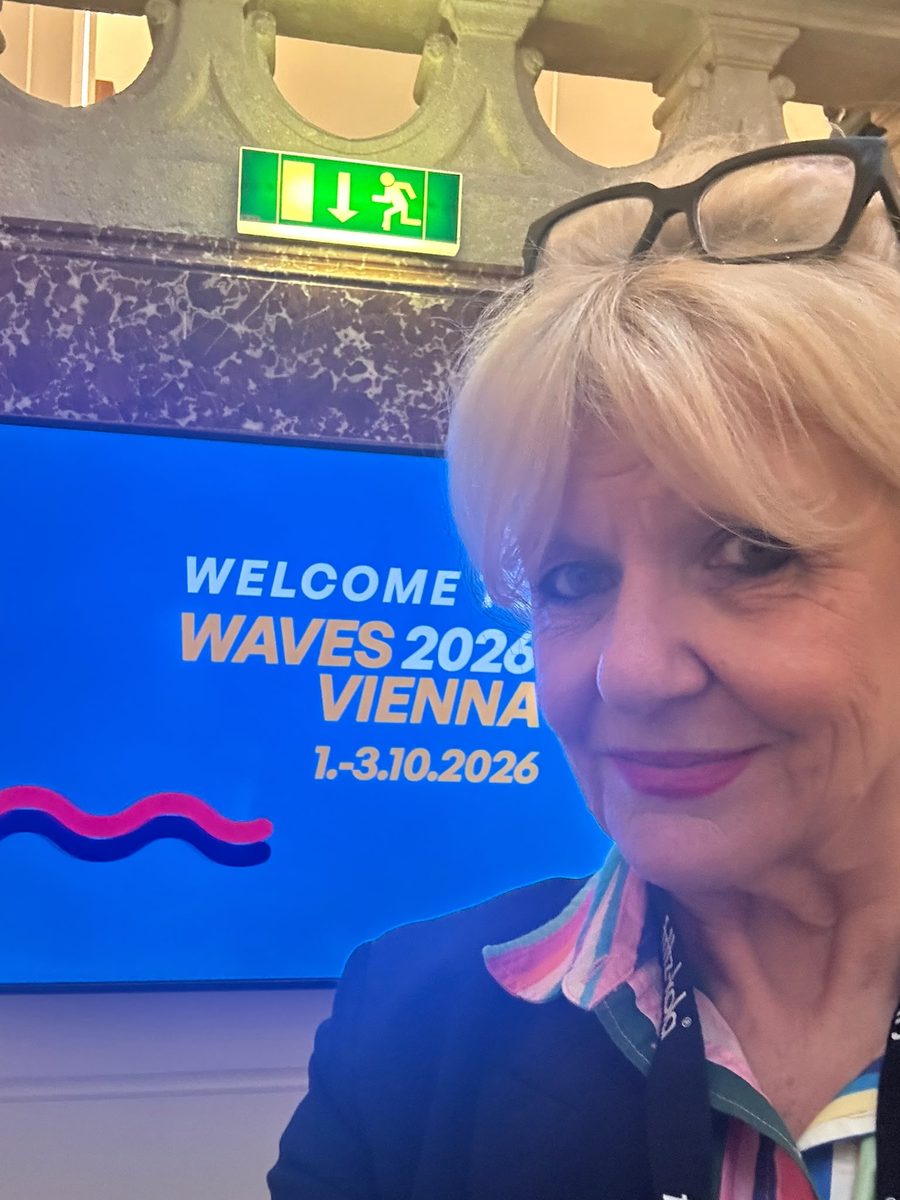
Earlier this month the United Kingdom was Guest of Honour at Waves Vienna, the largest showcase festival and conference in Central and Eastern Europe. For its 16th edition, from 1 to 3 October, the festival handed its stage to British music: a curated showcase of emerging and established UK artists, panels with leading voices from our industry, and more than 100 acts and 50 conference and fringe events across three days.
It was a proud moment. It was also a painful one.
Showcases like Waves are where new artists get noticed by European bookers and promoters. The tours that are supposed to follow are exactly what post-Brexit rules make so hard – for the artists, and for the crews, drivers, technicians and freelancers who make every show happen. Europe plainly still wants British music. The problem is that Britain’s touring professionals are no longer free to deliver it.
Europe has noticed who’s missing
The people running Europe’s festivals see the damage from the other side. Sarah Thomas Heher, founder of Waves Vienna and one of our ambassadors, puts it bluntly:
“Since Brexit, the number of UK acts at Waves Vienna has fallen sharply, and we especially miss the creative exchange between artists across borders. We also feel the absence of British festivals and organisations in the Creative Europe and Erasmus+ projects we work on – their ideas and perspectives brought something vital to those collaborations.”
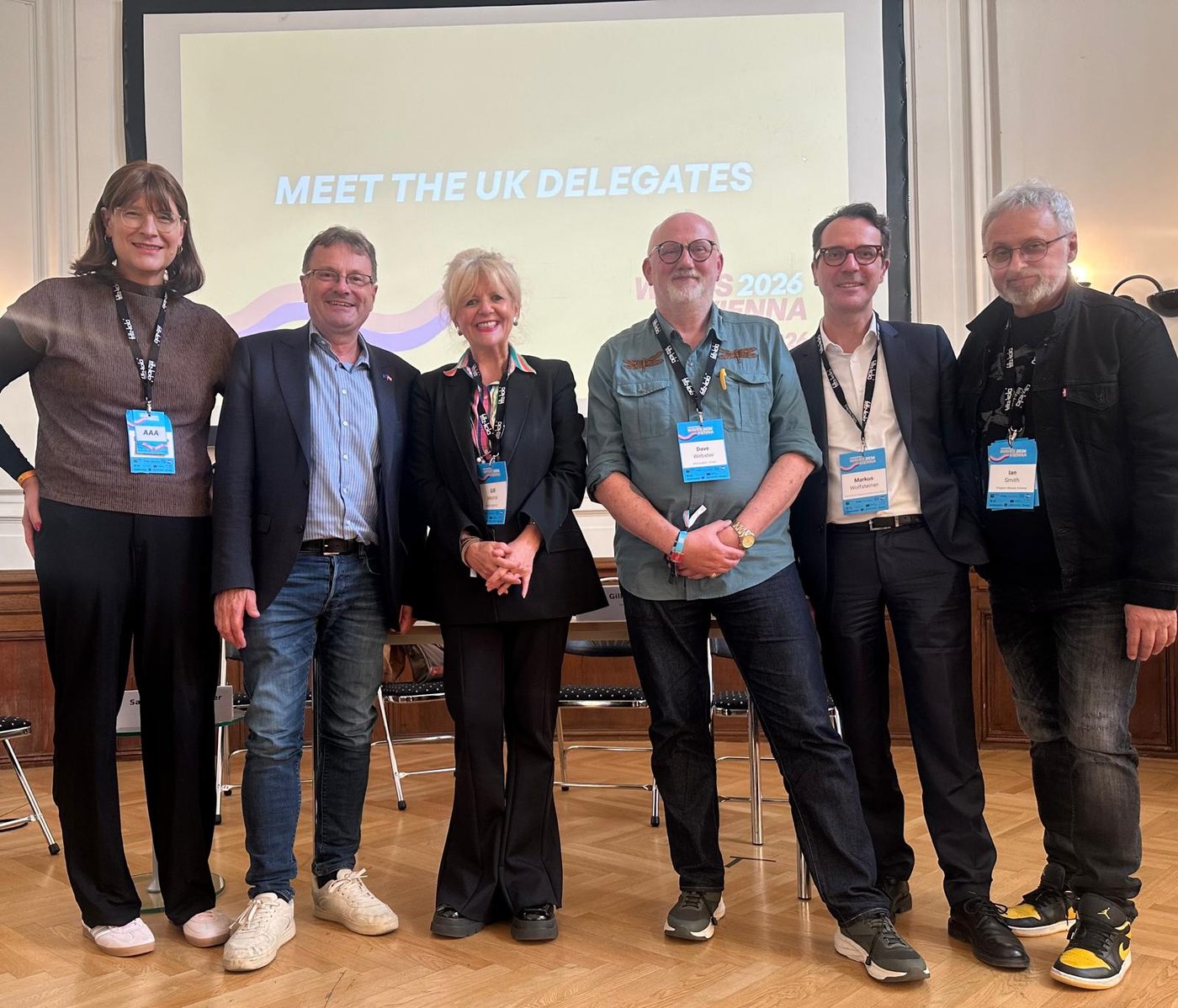
Carry On Touring co-founders Gill Morris of Devo Agency and Ian Smith of UKE Arts Work were in Vienna to represent the campaign, and cross-border working ran right through the conference. One session, Rethink, Rework, Reassemble: The Future of UK–EU Cultural Exchange, examined mobility, funding and collaboration; another, International Mobility for Creative Arts in Challenging Times, tackled the visa, travel and funding barriers that artists and cultural professionals still face.
These are the arguments we have been making since my petition closed with 286,794 signatures and was debated in Parliament. What has changed is that they are now being made on stages across Europe, not just in Westminster.
Five years of the 90-in-180 rule
The heart of the problem is simple. Since the Trade and Cooperation Agreement, UK citizens can spend only 90 days in any 180 in the Schengen area. Add a patchwork of different work-permit rules from one country to the next, plus the extra cost and paperwork, and many tours become unviable – above all for young and emerging artists, and for the freelance crews whose working year is spent on the road.
It is about to get harder, not easier. The EU’s Entry/Exit System is now in place and ETIAS is on its way, which means borders are counting every single day a British worker spends in Europe.
This is no longer just a cultural issue. It is a growth issue. The UK’s creative industries generate well over £100 billion for the economy, yet one of our most internationally successful sectors is held back by barriers that practical cooperation could remove.
Making the case to MEPs
On 18 February, Carry On Touring and the Musicians’ Union were invited to a roundtable at Europe House – the European Parliament’s office in London – with a visiting delegation from the Parliament’s Culture and Education Committee.
It was a rare chance to sit face to face with the MEPs who shape EU culture policy and set out what the 90-in-180 rule, the permit patchwork and the added costs mean in practice. We also stressed that this is not just a British problem. Cultural exchange runs both ways: European artists, venues, festivals and audiences lose out too when touring between the UK and the EU becomes too difficult or too expensive to attempt.
A month later, on 24 March, the Cultural Exchange Coalition was launched at the European Parliament in Brussels, with Carry On Touring co-founder Peredur ap Gwynedd – guitarist with Pendulum – on the panel. At that launch, Culture Minister Ian Murray pledged the UK Government’s “full commitment” to delivering on the commitments made at the EU–UK Summit.
Commitments are welcome. What touring professionals need now is action.
A fix that doesn’t reopen the TCA
So on 7 August, Ian Smith, Peredur ap Gwynedd and I wrote to the new Prime Minister, Andy Burnham. We congratulated him on his role and asked him to seize a unique opportunity to remove one of the most damaging unintended consequences of Brexit.
Our proposal is a Digital Creative Mobility Exemption. Rather than reopening the Trade and Cooperation Agreement, the Government would work with EU partners to build on the HMRC A1 certificate system that touring professionals already have to use. A simple digital check would identify eligible creative workers on approved cultural engagements, and that work would be exempt from the 90-in-180 rule.
It is an administrative fix, not a political renegotiation. No major new bureaucracy. No complex legislation. Just a smarter use of systems that already exist.
We have asked to meet the Prime Minister, the Minister for Intergovernmental and European Relations Hamish Falconer MP, and ministers and Parliamentarians from both Houses to take it forward. We have also offered to work with the Government on a UK–EU Creative Mobility Summit in Parliament this autumn, bringing together supporters from across the UK and Europe. The letter was copied to the Chancellor, the Culture Secretary and the Foreign Secretary.
Keep the show on the road
Being Guest of Honour in Vienna showed how much Europe values British music. But applause at a showcase means little if the artists and crews it celebrates cannot follow it up with a tour.
For a Government that has made growth its mission, this is a popular, early and highly visible win – for jobs, for exports and for Britain’s standing in Europe. The tools already exist. What is missing is the political will to use them.
If you want to help, write to your MP and ask them to back a Digital Creative Mobility Exemption. Read the full letter to the Prime Minister.
Tim Brennan is a freelance vision engineer who is currently touring with Westlife; other artists he has worked with include The Who, Peter Gabriel and Madonna. His petition calling for visa-free work across the EU for touring professionals drew 286,794 signatures. He co-founded the Carry On Touring campaign with Gill Morris, Ian Smith and Peredur ap Gwynedd.